

Solar + Farming: A Breakthrough Investment
The Future of Solar Goes Beyond Your Roof
When most people think of solar energy, they picture panels on rooftops powering homes and businesses. But solar is evolving, and a growing field called agrivoltaics is proving that solar panels can do more than generate electricity. They can also help grow food.
New research shows that when solar panels are designed and spaced correctly, farmland can produce both clean energy and healthy crops at the same time. That’s a big deal for the future of renewable energy, land use, and sustainability. Here’s what the science says: and why it matters.
What Is Agrivoltaics?
Agrivoltaics is the practice of combining solar panels and agriculture on the same land. Instead of choosing between energy production or farming, the land does both. The challenge has always been balance.Solar panels create shade, which can reduce crop growth. At the same time, tall crops or trees can block sunlight from reaching the panels, lowering energy production.Until recently, that tradeoff made large-scale agrivoltaic projects difficult to optimize.
Scientists studying agrivoltaic systems discovered a key solution: panel spacing. According to recent findings, placing solar panel rows at least 8 meters (about 26 feet) apart dramatically improves both crop yields and electricity generation. In other words, thoughtful design allows both systems to thrive, instead of competing with each other. This study focused on double-sided vertical solar panels, which are especially effective in areas where the sun sits lower in the sky. Researchers also found that south-facing panels generated more electricity than east-west orientations in these regions, further improving system performance.
Smarter Solar Starts With Better Planning
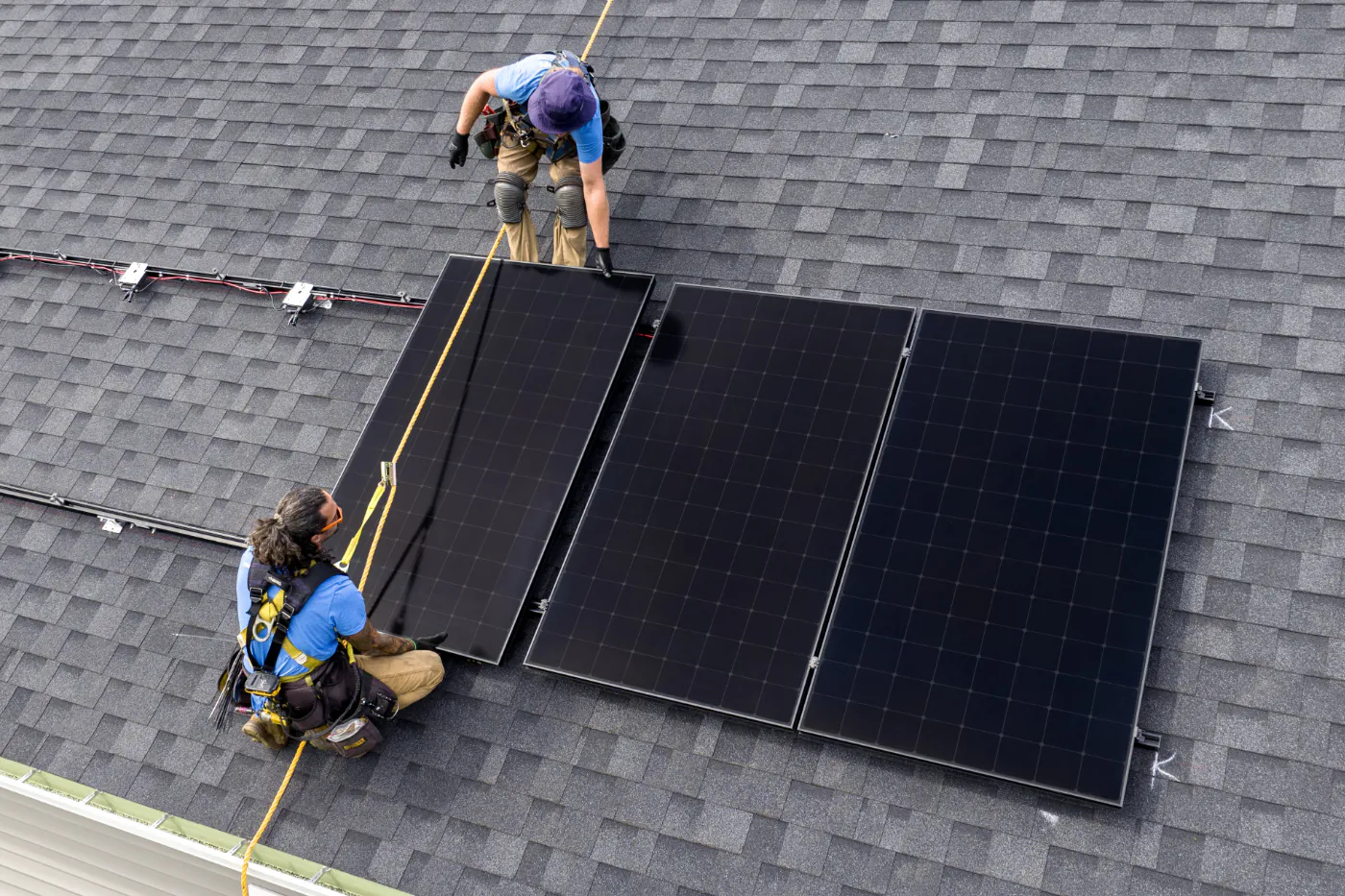
What agrivoltaics proves is something we’ve known in residential solar for years: layout, spacing, and orientation matter. Panel placement, tilt, direction, and airflow all influence how much energy a system produces over time. When those details are dialed in correctly, the result is higher output, better longevity, and stronger returns.
Ready to Design Solar the Right Way?
If you’re considering solar for your home or property, the first step isn’t panels; it’s understanding what will work best for your space. Plug It In Solar helps homeowners make informed, well-designed solar decisions that perform today and hold up long-term.
Reach out to speak with a solar expert and explore your options.
Recent Articles
California Supreme Court Gives Hope to Solar Customers in NEM 3.0 Ruling
The sun (and the California Supreme Court)...
Artificial Intelligence is Slated to Drive Up Electricity Costs
As great as they can be, those...
What Homeowners Should Know About The Federal Solar Credit Phaseout
For the past decade, homeowners have been...
The NEM 3.0 Case: California Supreme Court Hears Oral Arguments on Controversial Net Metering Bill
The California Supreme Court has taken up...
What to Expect With Residential Solar Panel Installation
So, you’re thinking of getting solar panels?...
Recent Projects
Explore our recent projects to see completed solar installations, battery installations, panel cleanings, and more.
The Process
See how easy it is to go solar with Plug It In Solar’s streamlined installation process.
Free consultation
Site Assessment
Design and Plans
Installation
Final Inspection
Connecting to the Grid
Refer and Earn